Telephoto Lens For Nature Photography
Telephoto lenses are a great choice for nature photography. They allow you to get close to your subject, while still keeping them in focus, which is important when you're shooting moving subjects like birds or wildlife. This gives you a better sense of perspective and depth when shooting landscapes. Here are some top rated telephoto lenses for nature photography.
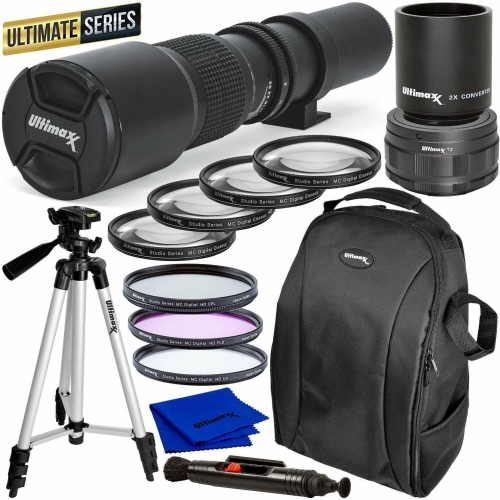
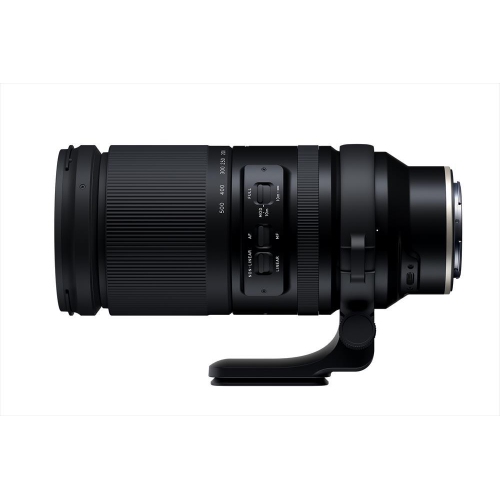
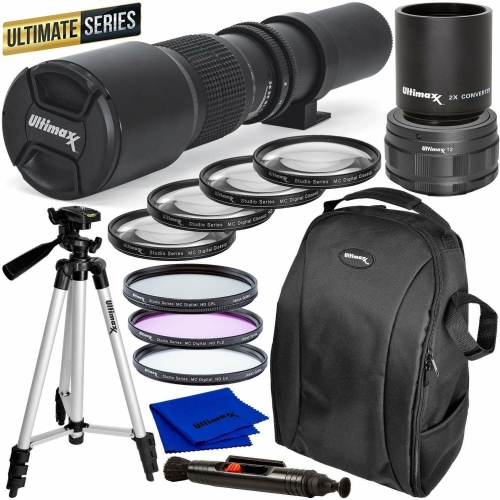
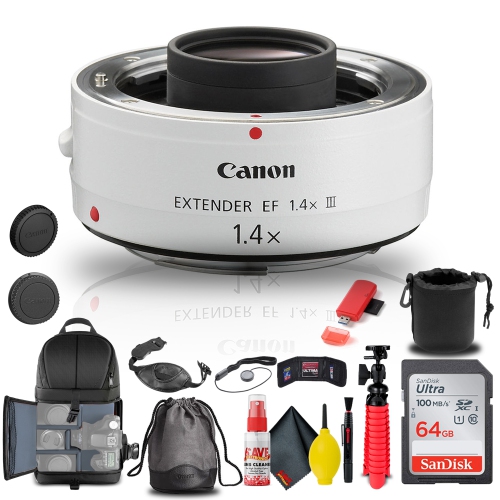
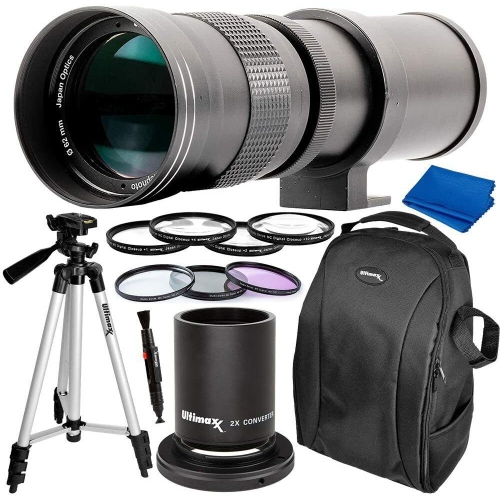
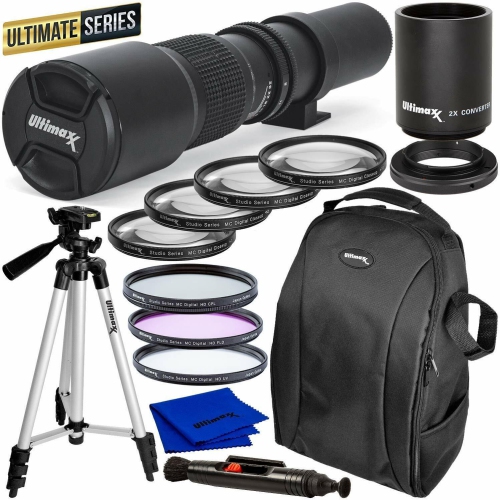
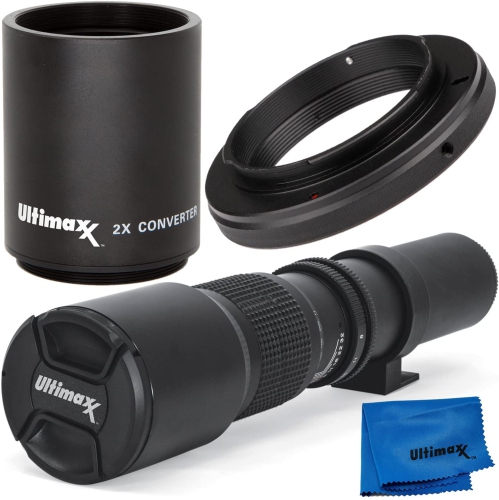
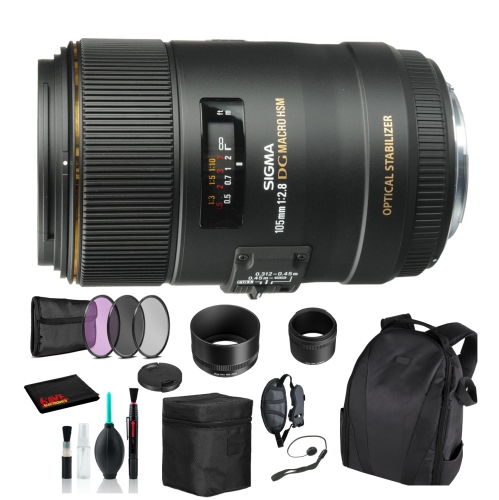
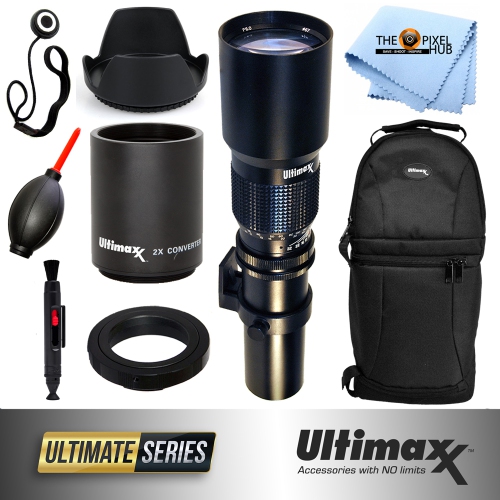
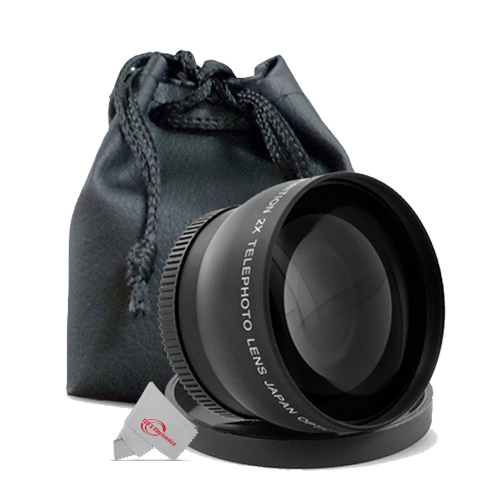
Telephoto Lens For Nature Photography
When considering a telephoto lens for nature photography, several key factors come into play. Focal length is crucial: lenses in the 70-200mm range are versatile for larger animals or scenes where you can get relatively close, while those stretching to 400mm, 600mm, or even 800mm are invaluable for capturing small or distant subjects like songbirds or wildlife across a valley. A wide aperture, such as f/2.8 or f/4, is highly prized for its ability to isolate the subject from the background, creating a pleasing blur (bokeh) and allowing for faster shutter speeds in the soft light of dawn or dusk. Image stabilization is another important feature, especially when handholding heavier lenses or working in less-than-ideal lighting conditions. Fast, accurate autofocus ensures you won’t miss that split-second action, like a heron taking flight or a bear catching salmon. Durability and weather resistance become essential if you’re trekking through rain, dust, or snow—a common scenario during Canadian summers and into the unpredictable shoulder seasons. Portability is also worth considering, especially for those who travel or hike extensively; some telephoto lenses are surprisingly compact, while others may require a sturdy tripod or monopod for steady shooting over long periods.
Telephoto lenses make thoughtful gifts for anyone with an interest in wildlife, birding, or outdoor adventure photography. They’re also a fantastic investment for travellers hoping to document their journeys or families looking to capture summer memories at the cottage or on camping trips. Whether you’re a seasoned photographer or just starting to explore the art of nature photography, the right lens can open up new creative possibilities and help you see the world in extraordinary detail. For more information on choosing the ideal lens for your needs, or to explore a broader range of options designed specifically for wildlife and nature photography, visit our dedicated page for Lenses For Wildlife Photography. With the right equipment in hand, you’ll be ready to capture the essence of Canada’s natural beauty, from sweeping landscapes to the tiniest details of the wild.
Top Picks For Telephoto Lens For Nature Photography
Discover more categories related to Telephoto Lens For Nature Photography
-
Wide Angle Telephoto Lens Canon
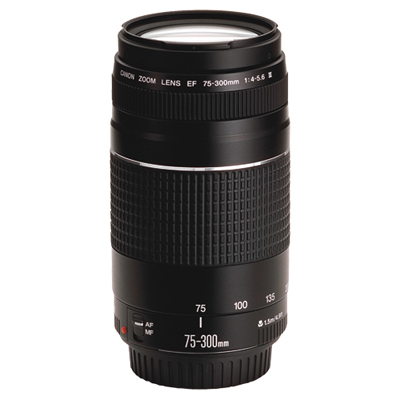
"This Lens is the best focus and good picture , i love to comment to all photographers out there"
-
Professional Photography lenses
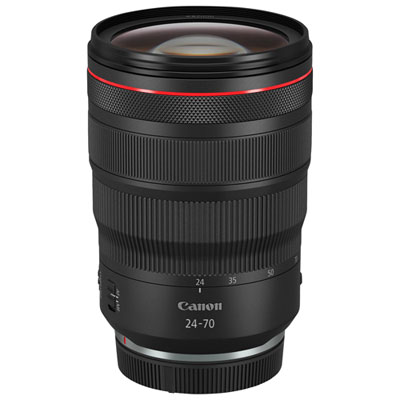
"This is one of the best lenses I have ever used. Customers love their photos! Highly recommended"
-
Super Macro Lenses
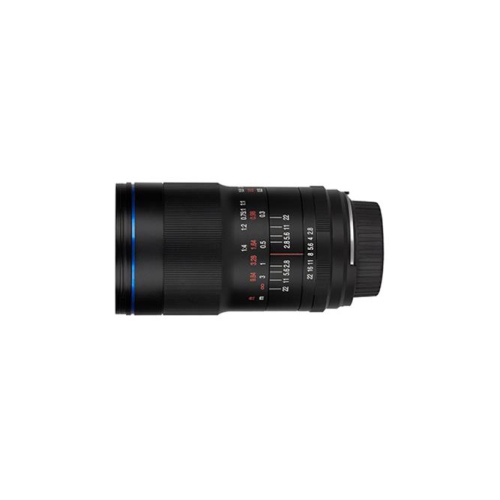
"Perfect lense for a almost everyday I love go to the nature and take pic is a great lenses for the price"
-
Nikon Photography Lenses
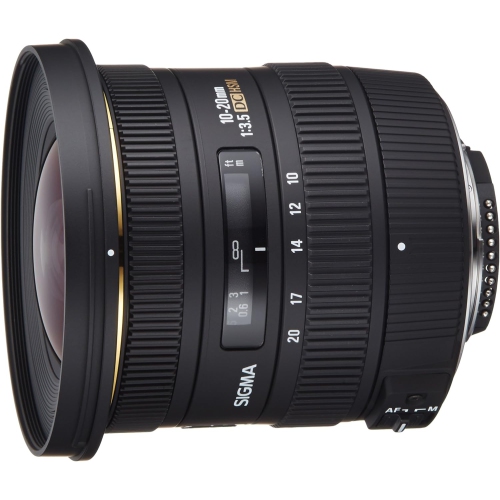
"Great for landscape photography. Great price for a pro lens. Feels perfect in my hand"