Electrical Conduits
Electrical conduits are essential components in any residential, commercial, or industrial setting, providing a safe and organized way to protect and route electrical wiring. Whether you are looking to conceal wires for aesthetic purposes or ensure compliance with building codes, electrical conduits offer a practical solution for managing and safeguarding your electrical systems. With a variety of materials, sizes, and types available, finding the right electrical conduits for your project is easy and convenient. Browse our selection to discover the perfect conduit solution to meet your needs.
Electrical Conduits
Flexible metal conduit (FMC) and liquid-tight options play a crucial role in settings that demand adaptability—think of a bustling commercial kitchen, an industrial workshop, or even outdoor installations like air conditioning units and pool pumps. These conduits can be bent around corners and routed through tight spaces, ensuring that wiring remains protected without sacrificing the flexibility needed for complex layouts. PVC conduit, favoured for its resistance to moisture and corrosion, is a go-to for underground or damp locations, such as running power to a backyard shed or garden lighting. Whether you’re a licensed electrician handling a large-scale project or a homeowner tackling smaller upgrades during the quieter winter months, choosing the right type of electrical conduit is essential for both safety and longevity. Each type serves a unique purpose, from providing a grounding path in metal conduits to standing up to the elements in outdoor or underground applications.
Selecting and installing electrical conduits is about more than just compliance with building codes—it’s about peace of mind and ensuring the safety of everyone who uses the space. Properly routed conduit not only protects against electric shock and reduces fire hazards but also keeps wiring neatly organized, especially in areas where cables might otherwise be exposed to accidental bumps or spills. Installation typically involves pulling wires through the conduit after it’s been securely mounted and terminating each run into electrical boxes or equipment using the appropriate connectors and fittings. For those looking to complete their setup, it’s worth exploring a range of compatible Electrical Connectors to ensure a secure and efficient connection at every junction. Whether you’re upgrading a workshop, finishing a basement, or planning a new build, electrical conduits are an indispensable part of any electrical system—helping to protect, organize, and future-proof your wiring for years to come.
Discover more categories related to Electrical Conduits
-
Wire Connectors

"Best hold with fewer turns and very versatile. Top notch"
-
Electrical Plug Connector

"The cord we bought is working great. It arrived earlier than expected"
-
Cable Management Trays
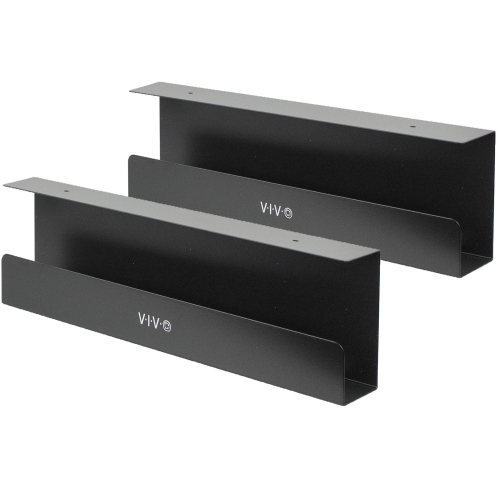
"It's great to get the power strip off the floor, it is wide enough to hold a double-wide power strip"
-
Rj45 Waterproof Connectors